
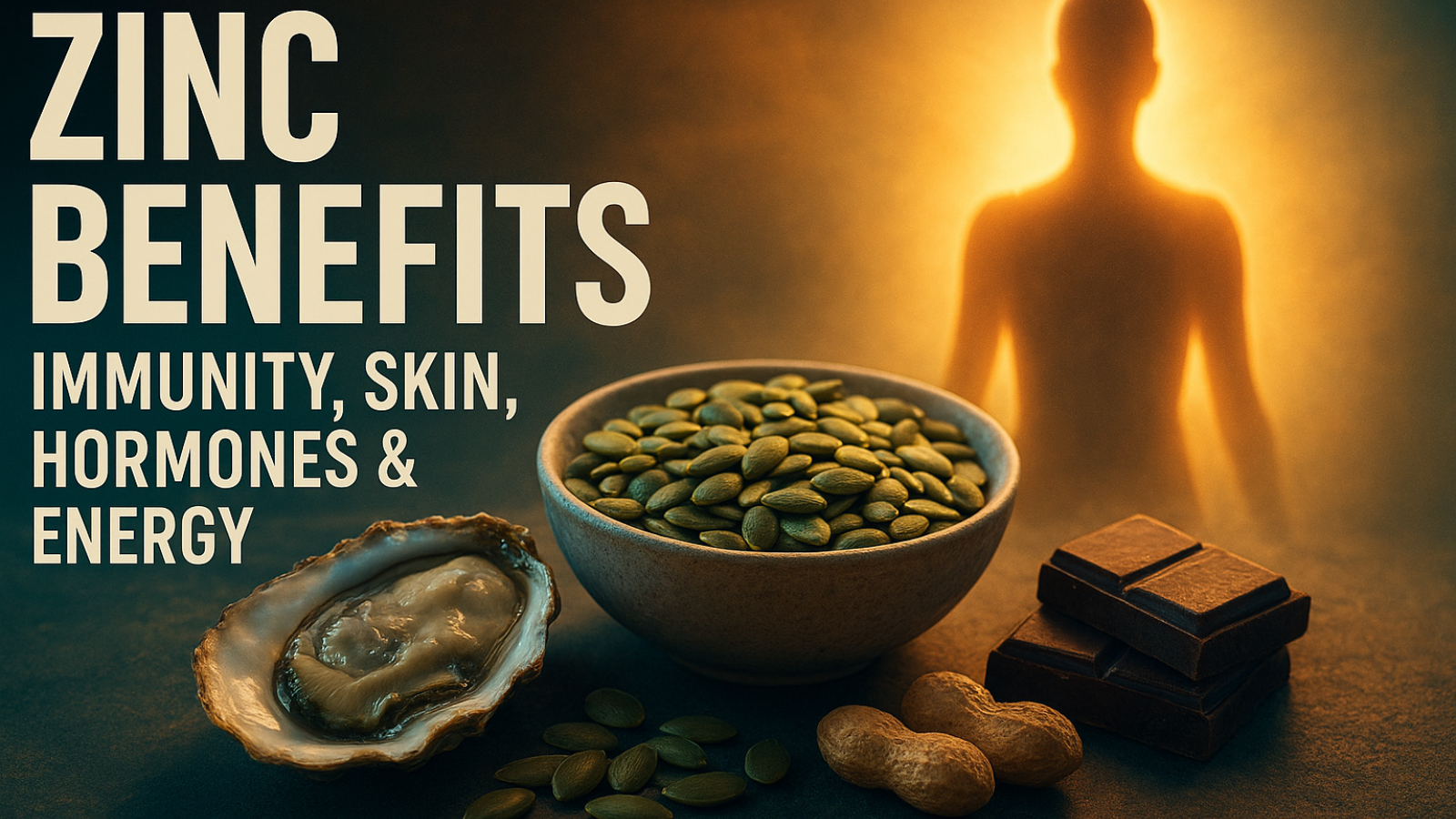
Some days, your body feels a step behind – your energy dips for no reason, your skin looks tired, your mood wobbles, and your immunity acts unpredictably. Most people brush it off as stress or lack of sleep, but the truth is far simpler.
A quiet deficiency like Zinc can create more chaos inside the body than most people realize.
Zinc works like the internal operating system of your body.
You don’t see it, you don’t feel it, But when it drops, everything slows down – hormones, skin repair, metabolism, immunity, muscle recovery, even your mood.
And here’s the surprising part:
A large percentage of men and women in India don’t meet their daily Zinc needs, especially those living in cities, dealing with stress, long working hours, or irregular eating.
So let’s break Zinc down properly – in a clean, simple, and practical way.
What Is Zinc, And Why Is It So Essential?
Zinc may be a “trace mineral,” but it’s involved in 300+ daily body functions, including:
- immune defense
- hormone production
- skin repair
- energy creation
- muscle growth and recovery
- metabolism
- mood regulation
- gut health
- hair and nail growth
- wound healing
Think of Zinc as the silent support system that keeps your body functioning smoothly.
When levels drop, tiny issues start showing up everywhere – and most people never connect them to Zinc.
Common Signs You May Be Low in Zinc
People often experience:
- Low energy
- Weak immunity
- Recurring acne
- Hair fall or thinning
- Brain fog
- Mood swings
- White spots on nails
- Slow wound healing
- Dull or textured skin
- Low testosterone (in men)
- PMS or period discomfort (in women)
- Slow metabolism
- Low appetite
If you notice three or more of these regularly, Zinc might be the missing link.
That Make a Visible Difference
1. Stronger Immunity
Zinc helps your body respond faster to infections.
People who take it consistently fall sick less often and recover sooner.
If you’re working on improving your immunity, my full Vitamin D Guide explains how these nutrients work together.
2. Hormone Balance for Women
Women report:
reduced PMS symptoms, better mood control, clearer skin, support for PCOS-related imbalances.
Zinc plays a role in balancing estrogen and progesterone, making daily life feel smoother.
For readers focusing on hormonal balance, the Omega-3 Benefits post explains how it supports inflammation and mood.

3. Higher Testosterone & Energy for Men
Zinc is one of the key minerals involved in testosterone production.
Men often notice:
- improved stamina
- better muscle recovery
- higher strength during workouts
- better libido
It’s one of the most underrated men’s health supplements.
4. Clearer, Healthier-Looking Skin
Dermatologists recommend Zinc for:
- acne
- redness
- inflammation
- excessive oil
- healing blemishes
- repairing skin barrier
If your skin struggles during stress or hormonal changes, Zinc helps stabilize things.
Gut issues can also trigger skin problems, so don’t miss my Probiotics for Gut Health guide
5. Better Energy, Focus & Mood
Because Zinc supports metabolism and brain chemicals, many people feel:
- steadier energy
- sharper focus
- more emotional balance
- less midday fatigue
It’s a small mineral with a big impact on mental clarity.
6. Better Metabolism + Weight Control
Zinc supports thyroid function and insulin sensitivity – two major players in fat loss.
If your weight loss has been slow for no obvious reason, Zinc might help.
If weight loss is your main goal, my Weight Loss Tips article will help you understand how minerals influence metabolism
7. Stronger Hair & Nails
Zinc helps with collagen formation and protein synthesis, leading to:
- faster hair growth
- less shedding
- stronger nails
Great add-on for hair and skin routines.
Best Natural Food Sources of Zinc
You can include:
- pumpkin seeds
- cashews
- chickpeas
- lentils
- eggs
- curd
- dark chocolate
- oats
- chicken
- fish
These help, but reaching the required daily Zinc levels through food alone is tough – especially for vegetarians.
Best Zinc Supplements (2025 Recommendations)
Look for:
(best absorption)
(gentle on stomach)
(premium option)
How Much Zinc Should You Take?
General guideline:
15–30 mg per day
Take after meals
Keep a 2–3 hour gap from iron or calcium
Stay consistent for at least 2–3 weeks to notice changes
Men often benefit from the higher end of the dosage range.
Who Should Consider Zinc?
Women:
- PCOS or PMS
- acne-prone skin
- hair fall
- low energy
- weak immunity
Men:
- low testosterone
- low stamina
- hair thinning
- slow recovery
Anyone dealing with:
- stress
- dull skin
- slow metabolism
- frequent colds
- poor concentration
Zinc is small but powerful – and most people feel the difference quickly.
Possible Side Effects
- Zinc is safe when used correctly,
- Just avoid taking excessively high doses,
- Stick to the recommended 15–30 mg.
Final Thoughts
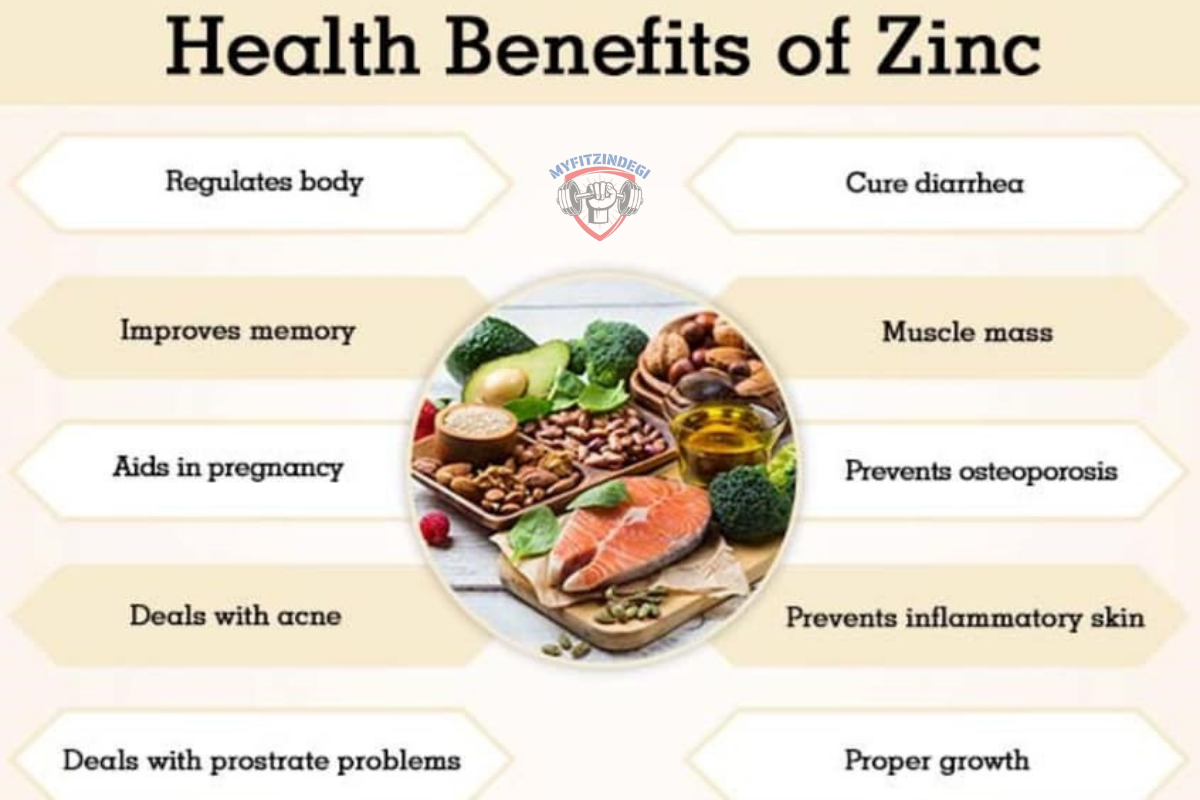
Zinc is one of the most underrated nutrients, yet it influences nearly every system inside your body – immunity, hormones, metabolism, skin, hair, energy, mood, everything.
The best part?
It’s simple to correct and easy to maintain.
Give your body 10–14 days of steady Zinc support, and you’ll notice a subtle but powerful shift:
- smoother energy
- clearer mood
- faster healing
- glowing skin
- stronger immunity
- better workout performance
- healthier hair
It’s a small change that creates a big difference in how you feel – inside and out.
FAQ: Zinc for Health
1. How do I know if I’m low in zinc?
Most people feel it before they realize it – slow wound healing, excessive hair fall, sudden acne flare-ups, low immunity, or even feeling tired after completing small tasks. If these symptoms persist together, your body may be indicating a zinc deficiency.
2. Which foods naturally have zinc?
The easiest sources are peanuts, pumpkin seeds, eggs, curd, lentils, and seafood. Think of them as your day-to-day silent helpers that slowly refill your zinc levels without you even noticing.
3. Can zinc help with skin and acne?
Yes, and surprisingly well. When zinc calms inflammation in your body, your skin starts to settle down – fewer breakouts, less redness, and a healthier glow.
4. Is zinc safe for women with PCOS?
Absolutely. Many women with PCOS take zinc because it helps with hormones, acne, metabolism, and even hair thinning. Just stick to the recommended dose.
5. When should I take zinc – morning or night?
Take it after breakfast or lunch so your stomach doesn’t feel heavy. Taking zinc on an empty stomach sometimes causes nausea.
6. Can I take zinc and magnesium or Vitamin D together?
Yes, they work well together. In fact, a lot of people take zinc + magnesium at night and Vitamin D in the morning.
7. Does zinc help with immunity?
Yes. Zinc literally helps your immune cells wake up and work properly. That’s why people who are low on zinc get sick more often.
8. How long until I see results?
Most people start feeling small improvements – better skin, less hair fall, more energy – within 2–3 weeks. Full results usually take 6–8 weeks.