
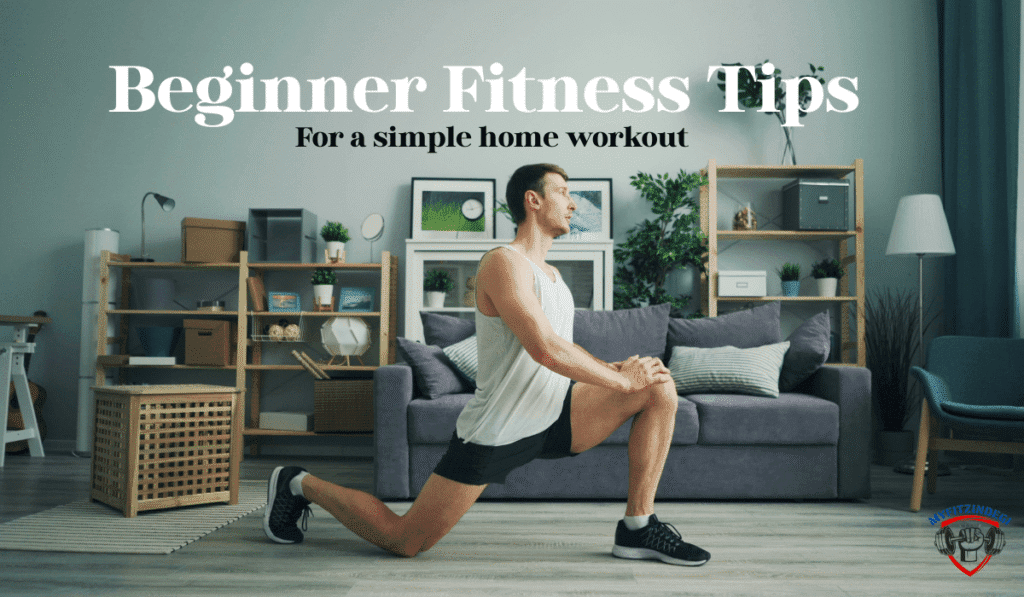
If you’ve reached a point where you feel tired all the time, your body feels heavy, or you just don’t feel confident anymore, let me tell you something honestly. This happens to almost everyone at some point. So first of all, take a deep breath. You are not lazy. You are just stuck without direction.
Most beginners don’t fail because they are weak. They fail because they don’t know where to start. One person says, Do cardio, another says, lift weights, someone else says, stop eating carbs. Because of this, It gets confusing fast.
That’s why this guide exists.
This is not a hardcore fitness plan. This is a real beginner fitness guide for 2025, made for normal people with busy lives. No gym pressure. No starvation diets. Just simple workouts, easy food habits, and small daily actions actions that slowly change how you feel and look.
Think of this guide as your friendly roadmap. You don’t need to follow everything at once. Even starting with one small step is more than enough.
What Is the Beginner Fitness Journey Really About?
A beginner fitness journey is not about six-pack abs or lifting heavy weights. Rather, it’s about understanding your body for the first time.
When you are a beginner, your body is learning how to move again. Your muscles are waking up. Your joints are getting flexible. At the same time, digestion improves, and sleep gets better.
Most people quit because they expect fast results. But the truth is, fitness doesn’t work like that.
Think of it like watering a small plant. On day one, nothing looks different. After a week, still not much. But slowly, after a month, you suddenly notice fresh leaves. Your body works the same way.
If you focus on daily effort instead of instant results, fitness becomes easy and even enjoyable.
Benefits You’ll Notice in the First 30 Days
Better energy through the day
At first, you may feel slightly tired. But very soon, even a 20-minute beginner workout routine at home improves blood flow. As a result, many beginners feel lighter and more active during the day instead of sleepy.
Less stiffness and more flexibility
If you sit for long hours, your hips, back, and shoulders naturally become tight. Because of regular movement, simple exercises and stretches slowly remove that stiffness. You’ll notice this especially while getting out of bed or climbing stairs.
A calmer mind
Along with physical benefits, exercise also affects your mind. In fact, physical activity reduces stress hormones. Many people describe workouts as pressing a reset button for the brain.
Early weight loss signs
Weight loss may not be dramatic in the first month. However, you will notice small signs like reduced bloating, slightly looser clothes, and better digestion. These are clear signals that your body is moving in the right direction.
Beginner Workout Plan
Now that you understand the benefits, let’s talk about action.
You don’t need machines or gym equipment. Instead, all you need is some floor space and around 20–25 minutes.
For best results, do this routine 3 – 4 days a week. Remember, rest is part of progress, so don’t rush.
If you want a clear daily eating schedule, you can follow our 7-Day Weight Loss Diet Plan for Beginners for simple and structured guidance.
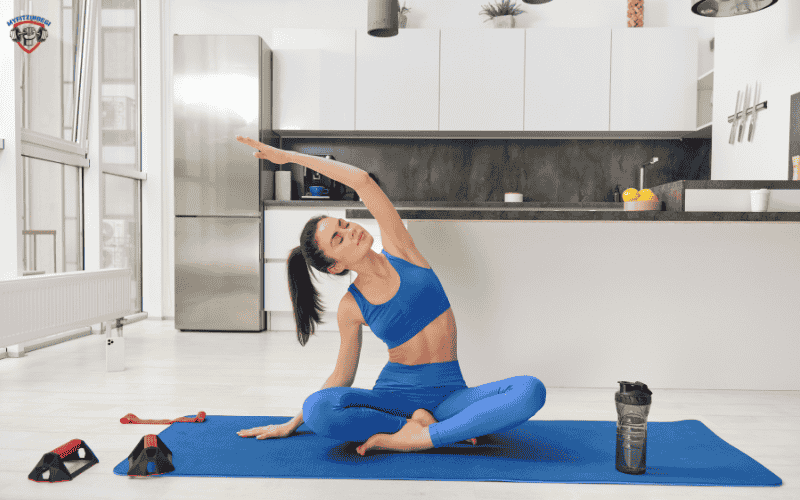
Full-Body Beginner Routine (3-4 days a week)
Day 1 – Strength + Mobility
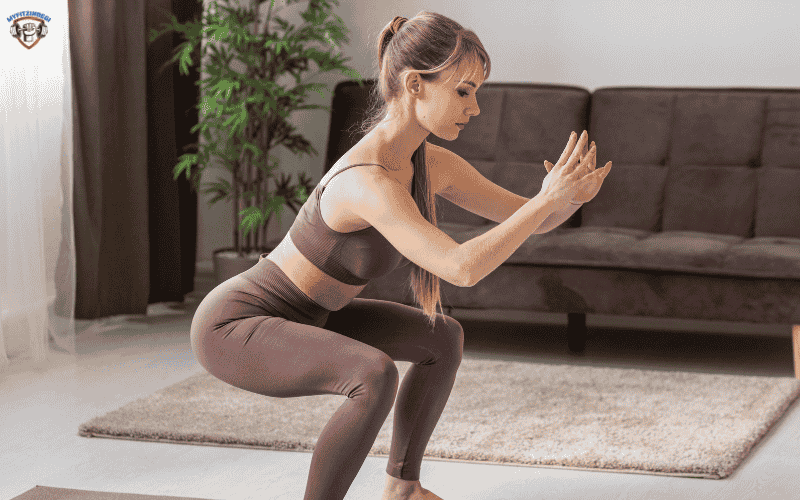
First, start with squats. Do 12 slow reps and focus on form, not speed.
Next, do incline push-ups using a wall or table for 10 reps.
After that, move to glute bridges. Perform 15 reps and squeeze at the top.
Then, hold a plank for 20 seconds. If it feels hard, you can drop your knees.
Finally, end with hip openers and light full-body stretches.
Day 2 – Light Cardio + Core
Begin with brisk walking for 15 minutes. You should be able to talk but not sing.
Then, do mountain climbers for 20 reps at a comfortable pace.
Afterwards, perform bird-dog exercises, 10 reps on each side.
Lastly, finish with a side plank for 15 seconds on each side.
Day 3 – Strength + Flexibility
Start with lunges, 10 reps per leg.
Next, do supermans for 12 reps to strengthen your lower back.
Then, perform wall push-ups for 12 controlled reps.
To finish, stretch your hamstrings and open your chest.
Day 4 – Optional (Your choice)
If you feel energetic, choose yoga, skipping, dancing, or walking. Most importantly, pick something you enjoy because enjoyment keeps you consistent.
Diet Tips for Beginners (Simple, Realistic & Indian-Friendly)
Now that workouts are clear, let’s move to food.
You don’t need a strict diet chart. Instead, a few smart changes can make a huge difference.
Focus on whole foods
Eat home-cooked meals most of the time. Dal, rice, roti, vegetables, fruits, eggs, curd, paneer, and simple sabzi give your body clean energy.
Increase protein little by little
Most beginners unknowingly eat very little protein. So start small. Add a handful of chana, sprouts, eggs, paneer, or chicken to your meals.
Hydration is underrated
Many cravings are actually signs of dehydration. Because of this, drinking enough water automatically reduces unnecessary snacking.
Smart plate method
To make things easier, follow this simple structure every day.
Half plate vegetables, one-quarter protein, one-quarter carbs.
This way, you don’t need calorie counting.
Common Mistakes Beginners Make (You Can Avoid These Easily)
Doing too much too soon
Daily intense workouts lead to burnout and injury. Your body needs time.
Focusing only on weight loss
Weight is just one number. Energy, strength, sleep, and mood matter more.
Not sleeping enough
90% of fitness progress depends on rest.
Copying advanced workouts
What works for influencers won’t work for beginners. Follow beginner plans proudly.
Lifestyle Habits That Make Fitness Easier
Move every hour
Even a 2-minute stretch improves posture and circulation.
Reduce late-night screen time
Better sleep means better fat loss and muscle recovery.
Eat mindfully
Slow eating helps digestion and prevents overeating.
Make weekends active
A walk, a game, or a short trip is better than sitting all day.
7-Day Beginner Routine (Simple Weekly Plan)
Your Weekly Flow
- Monday: Strength
- Tuesday: Walk + Abs
- Wednesday: Rest
- Thursday: Strength
- Friday: Light cardio
- Saturday: Yoga or stretching
- Sunday: Rest or light walk
Because it’s balanced, this routine is easy to maintain long-term.
Free Resources You Can Use
Downloadable Tools (you can create these later)
- Beginner workout chart (PDF)
- Printable meal plate guide
- Step tracker challenge
- 30-day fitness habit tracker
These tools help beginners stay consistent without pressure.
Free Apps for beginners
Google Fit
MyFitnessPal
Samsung Health
Nike Training Club
Research & Simple Case Study
Study 1: Beginners who walk 20 minutes daily
Beginners who walked daily for 3 weeks reported more energy, better digestion, lower stress, and slight weight loss. No gym needed.
Study 2: Protein improves appetite control
People who increased protein felt full longer and reduced unnecessary snacking.
Real-Life Mini Case Study
A 29-year-old beginner followed a 20-minute home workout and cleaner eating.
In 30 days, she noticed less bloating, 1.2 kg weight loss, better sleep, and higher energy.
Small changes create real results.
Final Thoughts
To sum it up, starting fitness doesn’t need pressure. You don’t need heavy weights, perfect meals, or long workouts. What truly matters is consistency.
Some days will feel easy. Other days will feel hard. And that’s completely normal.
So start today with one small action. One walk. One stretch. One better meal.
Over time, these small steps add up.
This guide is your starting point. Whenever you feel lost, come back and remind yourself – progress is already happening.